Advice please.
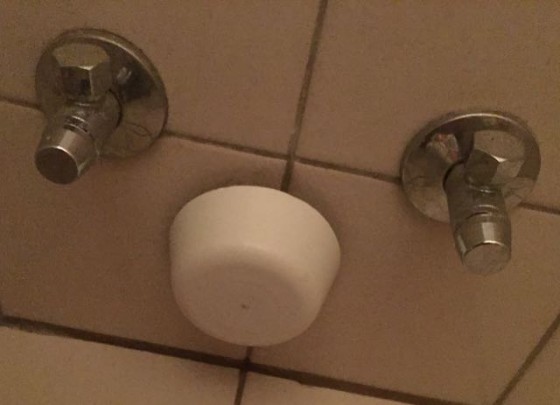
Is the installation shown (hopefully) already sufficient to connect a washing machine, or would it be necessary to call in a plumber first?


Advice please.
Is the installation shown (hopefully) already sufficient to connect a washing machine, or would it be necessary to call in a plumber first?
Advice please.
Is the installation shown (hopefully) already sufficient to connect a washing machine, or would it be necessary to call in a plumber first?



And if plumber needed, can anyone recommend one?
Thanks.
Looks like the hot water is to the left, cold water on the right. The drain is capped under the white plastic.
Your washing machine will heat the incoming water to the setting you decide on the dashboard. This means you want to connect to the cold water. Ideally you want to have a shutoff valve that you can use without finding a wrench if you have a leak and need to turn off the water quickly.
Some washing machines come with a connector to the sink drain. This also works but you may have some backup into the sink due to the volume of water being pumped out of the machine. This means you will have to clean the sink after use.
Use teflon tape for the joints. This assures you can undo the fittings and makes for an almost perfect watertight fit.
Make sure you have an electrical ground, namely a three pronged connector. Test the circuit with a circuit tester.
Once in use, run once a month with hot water to kill any bacteria. Use a little vineager to avoid calcium buildups.
Good luck
Gerold
Looks like the hot water is to the left, cold water on the right. The drain is capped under the white plastic.
Your washing machine will heat the incoming water to the setting you decide on the dashboard. This means you want to connect to the cold water. Ideally you want to have a shutoff valve that you can use without finding a wrench if you have a leak and need to turn off the water quickly.
Some washing machines come with a connector to the sink drain. This also works but you may have some backup into the sink due to the volume of water being pumped out of the machine. This means you will have to clean the sink after use.
Use teflon tape for the joints. This assures you can undo the fittings and makes for an almost perfect watertight fit.
Make sure you have an electrical ground, namely a three pronged connector. Test the circuit with a circuit tester.
Once in use, run once a month with hot water to kill any bacteria. Use a little vineager to avoid calcium buildups.
Good luck
Gerold
Thank you for your reply, the advice etc.!
Relieved then that it will not be neccessary to contact a plumber!
The machine will be installed by the delivery men. It's just the shop where it came from told me I have to be sure that the installation 'sur place' is sufficient for the delivery men or they will not install it. If not fitted already for a machine, they told me to call in a plumber first.
As all this was in place when moved into the appartment was not sure of plumbing requirements and if it was sufficient.
Thank you for your reply, the advice etc.!
Relieved then that it will not be neccessary to contact a plumber!
The machine will be installed by the delivery men. It's just the shop where it came from told me I have to be sure that the installation 'sur place' is sufficient for the delivery men or they will not install it. If not fitted already for a machine, they told me to call in a plumber first.
As all this was in place when moved into the appartment was not sure of plumbing requirements and if it was sufficient.
You need a siphon for the waste water evacuation. The delivery men won't do that.
I cannot see from the picture whether there is a tap for shutting off the water. If not then it must be installed.
I would not use teflon on this kind of connector, but simply normal rounds seals. (With the caveat that I might misunderstand the picture.) Washing machines use 3/4" connections, whereas it looks like you probaby have 1/2". Therefore, you'll need a 3/4"male to 1/2"female adapter. (Or whatever size you actually have comming out of the wall.)
You need a siphon for the waste water evacuation. The delivery men won't do that.
I cannot see from the picture whether there is a tap for shutting off the water. If not then it must be installed.
I would not use teflon on this kind of connector, but simply normal rounds seals. (With the caveat that I might misunderstand the picture.) Washing machines use 3/4" connections, whereas it looks like you probaby have 1/2". Therefore, you'll need a 3/4"male to 1/2"female adapter. (Or whatever size you actually have comming out of the wall.)
So I need to get a plumber to call then?
If so, anyone can recommend one?
So I need to get a plumber to call then?
If so, anyone can recommend one?
Check the manual for the machine if you need a siphon breaker. My machine is a Miele, so I do not need one. The picture shows only valves that require a wrench to open and close. You want to install a tap (or two - depends if it takes hot water separately), that you can quickly close in an emergency (or you like wading in a flooded bathroom).
The water inlet usually has an overflow port, which goes directly to the floor. Do you have a floor drain? If not, place the washing machine on a rubber mat or blocks so you can at least capture water into a container if it is activated.
You want to make sure the machine is level, or the vibrations will lead to complaints from your neighbors as well as get on your own nerves. Rubber blocks will also eliminate the transmission of any vibrations. Do you have a container to capture at least 2 liters of water from the machine nearby? Will it fit under the opening to be able to clean the filter? Do you keep an absorbant sponge or mop nearby? This is not something you want to hunt for if you need it. Think about what other furniture will be sharing the washing machine's environment. Pressboard if wet becomes trash very quickly.
All fittings here are metric. Buy a tape measure and note the sizes, so you know what you are talking about and the plumber will have a chance to understand the situation.
Washing machines should never need an extension cord. If that is a problem, redo the electrical so you can make it with the manufacturer's cord. You are going to heat the water up to 95 degrees celcius, so this will draw up to 2500 Watts. No multiplugs on that circuit please.
Before you get started with the installation, take a picture with your mobile phone of the manufacturers plaque often on the back of the machine. If you ever need to find the manual or have questions, you will save yourself some time and trouble.
When you are done, there is nothing better than doing your laundry whenever you feel like it, without annoying any neighbors and not blowing any fuses.
Good luck!
Check the manual for the machine if you need a siphon breaker. My machine is a Miele, so I do not need one. The picture shows only valves that require a wrench to open and close. You want to install a tap (or two - depends if it takes hot water separately), that you can quickly close in an emergency (or you like wading in a flooded bathroom).
The water inlet usually has an overflow port, which goes directly to the floor. Do you have a floor drain? If not, place the washing machine on a rubber mat or blocks so you can at least capture water into a container if it is activated.
You want to make sure the machine is level, or the vibrations will lead to complaints from your neighbors as well as get on your own nerves. Rubber blocks will also eliminate the transmission of any vibrations. Do you have a container to capture at least 2 liters of water from the machine nearby? Will it fit under the opening to be able to clean the filter? Do you keep an absorbant sponge or mop nearby? This is not something you want to hunt for if you need it. Think about what other furniture will be sharing the washing machine's environment. Pressboard if wet becomes trash very quickly.
All fittings here are metric. Buy a tape measure and note the sizes, so you know what you are talking about and the plumber will have a chance to understand the situation.
Washing machines should never need an extension cord. If that is a problem, redo the electrical so you can make it with the manufacturer's cord. You are going to heat the water up to 95 degrees celcius, so this will draw up to 2500 Watts. No multiplugs on that circuit please.
Before you get started with the installation, take a picture with your mobile phone of the manufacturers plaque often on the back of the machine. If you ever need to find the manual or have questions, you will save yourself some time and trouble.
When you are done, there is nothing better than doing your laundry whenever you feel like it, without annoying any neighbors and not blowing any fuses.
Good luck!